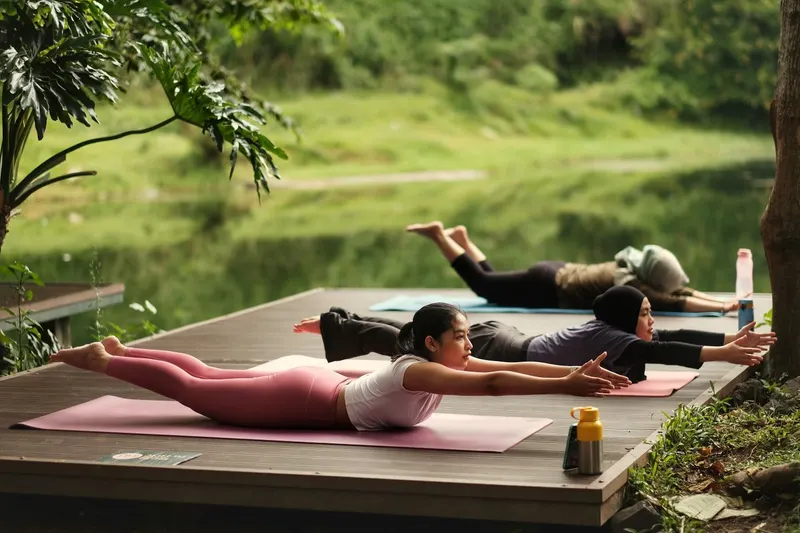
Do a silent meditation retreat
Keep the idea in your list, then add your own steps, notes, and updates as it takes shape.
Know what kind of retreat you mean
“Silent retreat” can describe different lengths, practices, and degrees of structure. A quiet day at a local center is not the same commitment as a residential course with a fixed schedule and restricted phone use. Before you compare venues, decide whether you want guided practice, independent quiet, a religious tradition, or simply a few hours without conversation. Then seek a retreat whose actual description matches that intention.
The Goenka Vipassana organization is one concrete example, not a template for all retreats. Its code describes a 10-day course that includes arrival and departure days, an intensive schedule, rules for silence, and no outside communication until the course ends. The same page says its course is not a holiday or rest cure. Reading those terms shows why the label “silent retreat” alone is not enough to know what you are agreeing to.
Read the rules before applying
Look for the complete daily timetable, how participants contact staff, what to bring, how food and medication are handled, and what happens if you need to leave. Ask whether silence applies only to speaking or also to gestures, notes, devices, reading, and writing. Confirm the expected arrival and departure times, travel plan, accessibility, and whether there is a quiet way to raise a practical problem.
If a retreat's rules seem too strict, unclear, or incompatible with work or care responsibilities, choose a shorter or less intensive format. Do not assume you can leave and return whenever you wish. For the Goenka example, participants commit to remaining for the entire course and within its boundaries; this is specific to that teaching organization.
Make an honest readiness check
Consider how you respond to long quiet periods, a fixed schedule, communal meals, and limited contact. Review any accessibility, sleep, diet, or medication needs with the organizers before applying. Ask what teacher or staff support is available and how emergencies are handled. A useful retreat does not need to be dramatic; choosing a format you can participate in thoughtfully is more important than choosing the longest one.
Dhamma.org warns that participants with significant mental-health issues may experience a return of symptoms during or after its courses and says the practice is not a substitute for medical or psychiatric treatment. If you have concerns about how an intensive retreat could affect your care, discuss them with your qualified clinician and the retreat organization before enrolling. This is not a diagnosis or an assessment of suitability.
Prepare for ordinary discomfort
A retreat may involve sitting, walking, simple meals, and long periods without your usual entertainment. Ask about the available seating and whether walking breaks are built in. Practice a brief quiet session at home first if that helps you notice what questions you have, but do not treat it as a test you must pass.
Bring only what the organization permits, and tell a trusted person how to reach the center in an emergency. For formats that collect phones, know the center's emergency contact process rather than planning to bypass its rules. The retreat's own directions take priority over generic packing advice.
Choose the next step after the retreat too
Ask how participants transition back to normal routines and whether there is an optional follow-up group or teacher contact. Do not count on a permanent change or a particular emotional result. You can leave with a simple observation about what kind of practice suits you and what does not.
Your next step is to compare two real retreat descriptions side by side and highlight length, schedule, silence rules, support, and exit process before you apply.
Sources and further reading
- The Code of Discipline - Vipassana Meditation
Dhamma.org, Vipassana Meditation as taught by S.N. Goenka · Describes this tradition's course duration, silence and outside-communication rules, full-period commitment, daily timetable, and mental-health caution; these requirements apply to this course system, not all silent retreats.