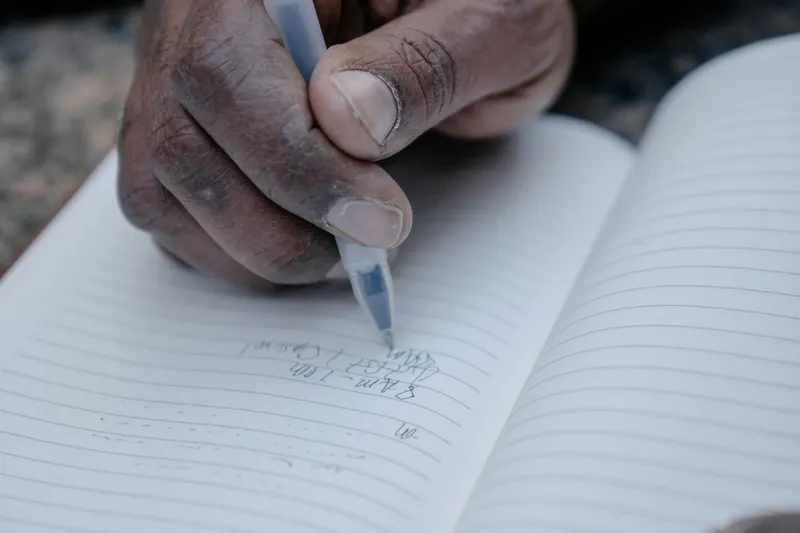
Keep a journal for a decade
Keep the idea in your list, then add your own steps, notes, and updates as it takes shape.
Choose a format you can keep using
Decide whether you prefer a notebook, a dated diary, plain text files, or a mix. Consider where you naturally have time to write, whether handwriting or typing feels easier, and whether you need accessibility features. A beautiful notebook that stays on a shelf is a poorer fit than a modest format you will actually open.
If you choose paper, pick a size and binding that are comfortable to carry and write in. If you choose digital, choose a format you can export and a place where you can make copies. Avoid selecting a service solely because it promises permanence; ownership, access, pricing, and file export can change. Keep private details out of any shared account or public space unless you intend them to be seen.
Make entries small and specific
Set a minimum that can fit into an ordinary day: a date, a few lines, and one concrete detail. You might record what surprised you, a decision you are considering, a conversation you want to remember, or what changed since last week. Specific observations become easier to revisit than repeated summaries such as “busy day, nothing much happened.”
Use a few recurring prompts if a blank page stops you: What did I notice? What took effort? What do I want to ask later? What changed my mind? You do not need to answer every prompt. Leave space for lists, sketches, copied recipes, or notes about a place; the journal is your record, not an assignment with a required style.
Create a rhythm that survives missed days
Link writing to an existing moment, such as after breakfast, before bed, or Sunday afternoon. Keep the notebook or device where that moment happens. If you miss a day, continue on the next page without backfilling a perfect account. A decade-long practice must allow for travel, illness, work, family, and seasons when writing feels unwelcome.
Once a month, skim the entries and add a short index: people, places, projects, questions, or page numbers you may want later. A paper index can be a few pages at the back; a digital journal can use consistent dates and tags. The index is a retrieval aid, not a judgment about how productive the month was.
Protect the privacy of the record
Decide who may read the journal now and what should happen to it later. A private journal can include details about other people, so avoid copying their sensitive information into a public archive without permission. If you are storing entries online, understand the account recovery and sharing settings. A locked drawer or encrypted device may suit you better depending on who has access to your home and accounts.
If the journal raises difficult emotions, you can stop writing, change topics, or seek support from someone you trust. You do not owe the journal an unfiltered record. Marking a passage private or skipping it can be a thoughtful boundary, not a failure of honesty.
Make a preservation plan once a year
If the journal is digital, keep descriptive filenames and a simple folder structure, save copies in more than one place, and open them occasionally to confirm they are readable. The Library of Congress’s older digital-memory guide recommends copies in different locations and regular checks for preserved media; the specific devices it lists are dated, but the basic need to review files still matters. Consider exporting important entries when you change platforms.
For a paper journal, store it somewhere dry and protected from spills and direct sunlight, and keep a short inventory of volumes by year. If you later scan pages, preserve the original and check that the scan includes the full page. Your next step is to choose a journal format and write the first entry as a dated note, not a promise to write perfectly for ten years.
Sources and further reading
- Preserving Your Digital Memories
National Digital Information Infrastructure and Preservation Program, Library of Congress · Supports organizing personal digital records with descriptive names and making copies in different locations with periodic checks; it is an older guide and its specific storage-media examples are dated.
- Digitizing Family Papers and Photographs
U.S. National Archives and Records Administration · Supports retaining paper originals after digitizing and adding descriptive metadata and multiple backups; the page was last reviewed in 2021 and is about family papers, not journal-writing practice.