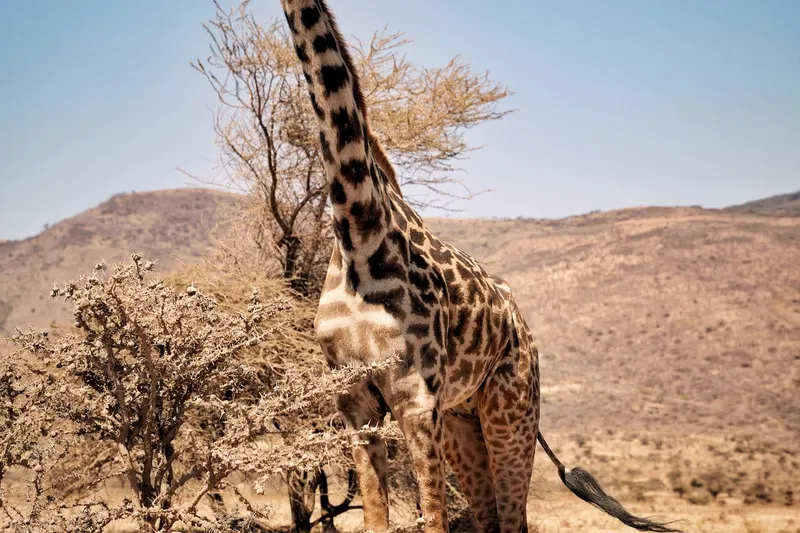
Safari in the Serengeti at sunrise
Keep the idea in your list, then add your own steps, notes, and updates as it takes shape.
Choose a landscape question, not a promised sighting
A Serengeti dawn drive can be shaped around a habitat question: how does open grassland differ from riverine forest, or what changes when the vehicle reaches a rocky kopje? TANAPA describes all of these habitats in the park and notes that seasonal variation influences animal movements. A sunrise does not guarantee a particular animal or migration scene, so choose an observation that remains worthwhile if wildlife is distant.
The park is large, and where you stay affects what a morning drive can realistically focus on. TANAPA’s visitor material identifies Seronera in the central park and describes other broad areas such as the west, south and north, with distinct airstrips and attractions. These are not interchangeable quick stops; ask your licensed operator which zone your camp or lodge actually serves and what drive time it entails. Avoid building a dawn plan around reaching a far-off region before breakfast.
Compare central valley and open plains
If your base is in or near central Serengeti, ask whether the drive will concentrate on the Seronera Valley or on open grassland nearby. TANAPA names Seronera Valley as a key part of the park ecosystem and describes riverine forests alongside open plains. These habitats offer different things to observe: a river corridor’s denser edge and birds, versus a broader view across grassland where movement may be visible at distance. Your guide decides the route based on access and conditions; the comparison is a question to discuss, not a promise of a particular animal.
Kopjes—rocky outcrops rising within the plains—give a third visual contrast. You can watch how the rock interrupts an otherwise open horizon and listen for the guide’s explanation of its place in the landscape. Do not ask a driver to leave authorized tracks for a closer photograph. The route should follow park rules, with the guide choosing a safe place to stop.
Treat season and migration carefully
Migration is a seasonal movement across a wider ecosystem, not an event staged at one point for visitors. TANAPA describes herds moving in response to fresh grazing and water, and its habitat page says seasonal changes influence animal movement and breeding. That means two visits to the same zone may look different. Ask your operator what recent conditions suggest for the area you will visit, but treat any prediction as uncertain and keep a second observation goal, such as bird calls, grassland texture or the shift from shade to light.
Ask whether the morning plan is a vehicle drive or a separate activity such as a balloon safari. TANAPA describes these as different tourism activities; they do not offer the same perspective or schedule. Check current operator and park details for the specific option, and do not assume a dawn departure, flight or wildlife encounter is included in the same booking.
Make a field note that survives the excitement
Before you leave, choose one question: where does the grass meet denser vegetation, what evidence makes the guide choose a turn, or how do sounds change as daylight spreads? Keep binoculars accessible and use a notebook to record time, habitat and what you actually saw. If you cannot identify a bird or distant animal clearly, mark it as uncertain rather than turning a guess into a record.
Photograph a scene only when doing so does not interrupt listening or the guide’s instructions. Look for the whole pattern before zooming in: foreground grass, the horizon, a kopje or tree line, then any animal within it. Afterward, compare the note with the guide’s explanation and write one thing you want to learn. Before booking, ask the operator for the camp’s location, planned zone, route rules and the policy if weather changes.
Sources and further reading
- Wildlife & Habitats | Serengeti National Park
Tanzania National Parks (TANAPA) · Supports named habitats (grasslands, riverine forests, swamps, woodlands, kopjes), Seronera Valley and seasonal influence on wildlife movements.
- Serengeti National Park brochure (English, 2019/1)
Tanzania National Parks (TANAPA) · Supports broad park zones, Seronera location, differing tourism activities, migration in response to seasonal grazing and water, and visitor rules to remain on permitted tracks and not disturb wildlife; this older brochure is not used for current schedules or availability.