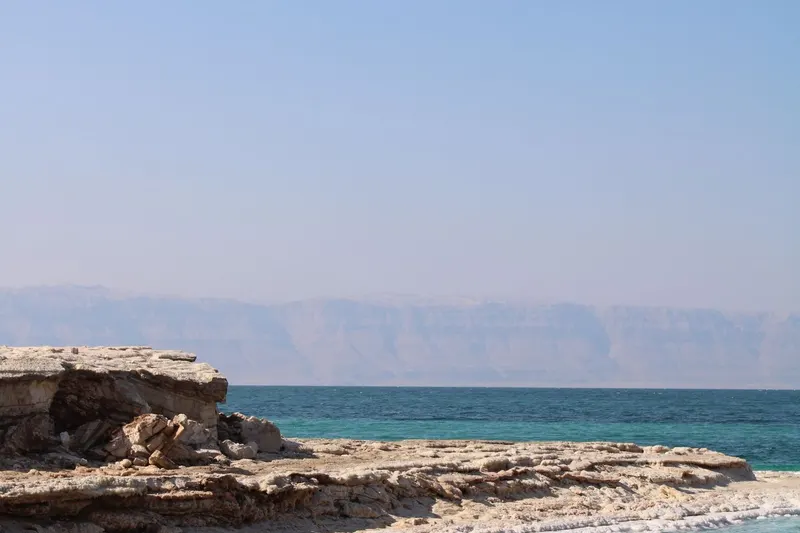
Swim in the Dead Sea
Keep the idea in your list, then add your own steps, notes, and updates as it takes shape.
Choose a managed place before packing
The Dead Sea has shorelines on more than one side, and the conditions, operators and access arrangements are not interchangeable. Jordan’s official tourism portal describes a public beach experience with floating; that is useful for confirming the activity exists, but it does not establish current opening hours, facilities or local safety rules. Choose an officially designated or managed bathing site on the shore you will visit, check its current operation directly, and follow that site’s signs and staff. An empty stretch of shoreline is not a substitute for a supervised entry.
Before travel, check transport, border and local advisories through the relevant official authorities for your actual itinerary. Do not assume that a beach open last season is open now or that a named facility serves the other shore. If the site cannot confirm that bathing is permitted and supervised for your visit, keep the float as a future plan rather than improvising an entry.
Expect buoyancy, not a normal swim
The Jordan Gate tourism page describes the Dead Sea’s unusual buoyancy and a leisurely float. Treat that image as a starting point, not a promise that you can move around normally. The first few moments can feel unfamiliar: your body’s position is different, and trying to swim with ordinary strokes may make you less settled. Start only where staff allow entry and ask them how to enter and leave at that location.
Let the staff’s explanation and posted instructions determine the technique. In general, keep the first attempt deliberately small: enter by the marked route, pause where directed, and stop if you do not feel in control. Do not turn the visit into a diving, jumping, splashing or endurance challenge. The goal is a calm, easy-to-end float, and there is no prize for staying in longer.
Protect your face and leave early if something feels wrong
Salt water in the eyes or mouth can be intensely painful, and official health material about Dead Sea bathing warns against getting the water on the face or swallowing it. The government document I reviewed timed out on a fresh direct fetch, so check the current local rules at the bathing site before entry; do not rely on an old leaflet as a replacement for present instructions. Keep your head clear of the water, move slowly, and avoid splashing. If water reaches your eyes or mouth or you feel unwell, leave by the approved route and tell staff rather than trying to push through.
Do not enter with an open cut or irritated skin and assume the salt will be comfortable. Individual health conditions may affect whether floating is appropriate; the article cannot assess those. If you have a condition, medication, pregnancy, skin issue, mobility concern or other personal health question, ask a qualified clinician before travel. Follow any site restrictions, and skip the float if staff advise against it.
Make the route in and out part of the plan
Bring the simple things that make an early exit easy: water to drink after leaving, footwear for the shore, a towel and a change of clothes. Confirm where the permitted entry and exit are, where you can rinse, and where to find staff before going near the water. Keep belongings away from the entry path so you are not stepping around bags while balancing. If you are visiting with someone else, agree that either person can end the attempt without debate.
Take time on land before deciding whether to enter again. Rinse according to the facility’s instructions and pay attention to your eyes and skin. Do not use a personal timer from an internet guide as a universal safe duration: site rules, conditions and individual comfort differ. Leave sooner than planned if you feel heat, dizziness, sharp stinging, panic or trouble regaining a stable position.
Keep the first visit successful by keeping it modest
A good first visit can be brief: confirm that the beach is open and supervised, listen to the safety talk, try the permitted float only if you feel comfortable, then rinse and relax on shore. You do not need to cover your body with mud, take a photograph in the water or prove that you can float. Jordan’s official page also describes public-beach access, but amenities and operating details should be confirmed with the facility directly.
Your next step is to select the actual side and managed bathing site for your trip, then read its current access and safety instructions. If those instructions differ from a general travel article, follow the local staff and signs. The defining moment is the strange buoyancy; planning an uncomplicated way back to shore lets you notice it without turning the experience into a test.
Sources and further reading
- Dead Sea
Jordan Gate, Government of Jordan · Confirms official Jordan tourism describes floating at a public beach and the Dead Sea’s buoyant water; it does not establish current operations or safety procedures.
- Health guidance concerning Dead Sea bathing
Israel Ministry of Health · Previously opened government health material supports avoiding head/face contact and swallowing; a direct fetch timed out on this pass, so the article defers to current site instructions.