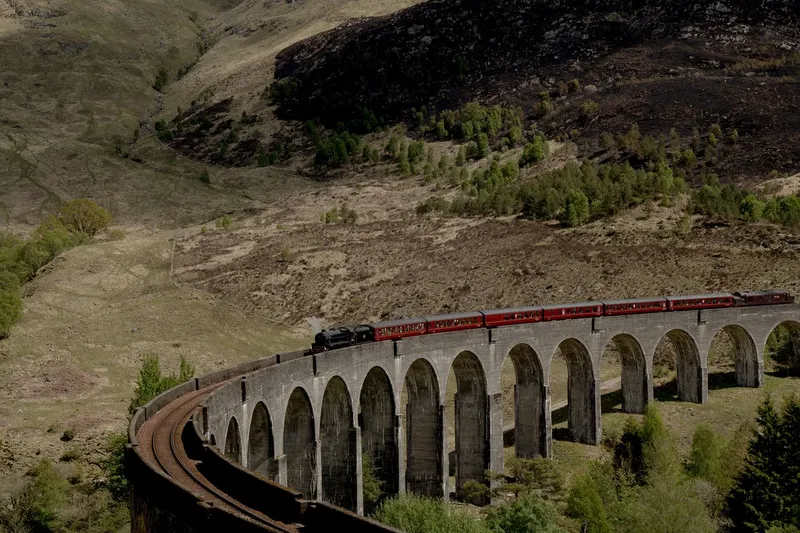
Take the Trans-Siberian Railway across Russia
Keep the idea in your list, then add your own steps, notes, and updates as it takes shape.
Begin with the current go/no-go check
Before you compare sleeper cabins, decide whether travel is advisable for you now. As of 7 November 2026, the UK Foreign, Commonwealth & Development Office advises against all travel to Russia and warns that insurance may be invalidated if someone travels against its advice. That guidance is written for UK travelers; consult the advice from your own government and insurer as well.
If the current advisory says not to travel, keep the route as a future project and do not make nonrefundable bookings. A famous train journey is not worth treating a warning as a box to tick. Revisit official advice close to any decision because security conditions, airspace, entry requirements, and insurance terms can change.
Sketch the experience you want later
For a future version, decide what matters most: long uninterrupted days aboard, several nights in cities, or a shorter segment that ends before the journey becomes tiring. Write down what you would like to notice—landscape, station architecture, changes in language or climate—rather than treating the whole line as a single photo opportunity.
A long journey feels different when broken into pauses. Consider whether you want a few longer stops or a succession of brief ones, then make a draft map without attaching dates or promises. Keep the first itinerary as a question: what would make time on the train enjoyable, and what would you rather experience ashore?
Plan for the rhythm of a shared carriage
When travel becomes appropriate, read the exact train and accommodation information from the rail operator before booking. Do not assume every train on a route has the same facilities. For a long ride, think about what you need for quiet, sleep, meals, and movement, and how you will share limited space considerately with other passengers.
Carry a small set of low-key activities that do not depend on reliable connectivity: a book, notebook, cards, or downloaded maps and language notes. Keep valuables secure, follow the operator’s current carriage rules, and avoid leaving documents or devices unattended. These are planning prompts, not a substitute for the current operator’s instructions.
Treat Baikal as a route choice, not a station photo
The Trans-Siberian’s main passenger line now passes south of Lake Baikal through Irkutsk, Slyudyanka, and Ulan-Ude; it does not follow the old Circum-Baikal shoreline railway. That distinction changes the trip you are imagining. If the lake is a priority, compare a stop in Irkutsk with a separate excursion on the historic line rather than assuming the through train will crawl along the water.
The Circum-Baikal line runs about 89 kilometres between Slyudyanka and Port Baikal on the lake’s southwest shore. A local Irkutsk route guide describes tunnels, stone galleries, bridges, and retaining walls directly above the water. Slyudyanka’s marble-clad station is a useful visual starting point; Marituy and Polovinnaya are mid-line stops, while Port Baikal faces Listvyanka across the Angara source. These places make different stops: station architecture at Slyudyanka, railway engineering along the shore, and ferry geography at Port Baikal.
This is a branch excursion with its own train and ferry connections, not a casual hop off the Moscow–Vladivostok service. The guide distinguishes a slow suburban train that stops along the line from programmed tourist trains, and says the suburban service does not run every day. Treat that as a design constraint, not a timetable: check current operator information before building any future dates around it. If you only have time for a through-route pause, decide whether Irkutsk’s city and Baikal access is enough; if the shoreline engineering is the point, reserve a separate, flexible segment.
Keep a trip file that can be safely reopened
Save the draft route, official travel advisories, operator references, insurance questions, and reasons to delay in one dated file. When conditions change, re-check each item rather than relying on an old booking plan or traveler report. Do not try to work around entry rules or restrictions.
Your next action is to write down why this journey matters to you, then set a reminder to review official travel advice before any booking research. The route can remain a meaningful goal while the go/no-go decision follows current evidence.
Sources and further reading
- Russia travel advice
UK Foreign, Commonwealth & Development Office · Supports the current UK government warning against all travel and the advice that insurance may be invalidated; it is not universal advice for every nationality.
- The Circum-Baikal Railway and Port Baikal
Irkutsk.ru · Supports the distinction between the main Trans-Siberian route and the old Circum-Baikal branch, its Slyudyanka–Port Baikal geography, the shoreline engineering features and the different suburban versus programmed tourist-train patterns; current schedules are not asserted.