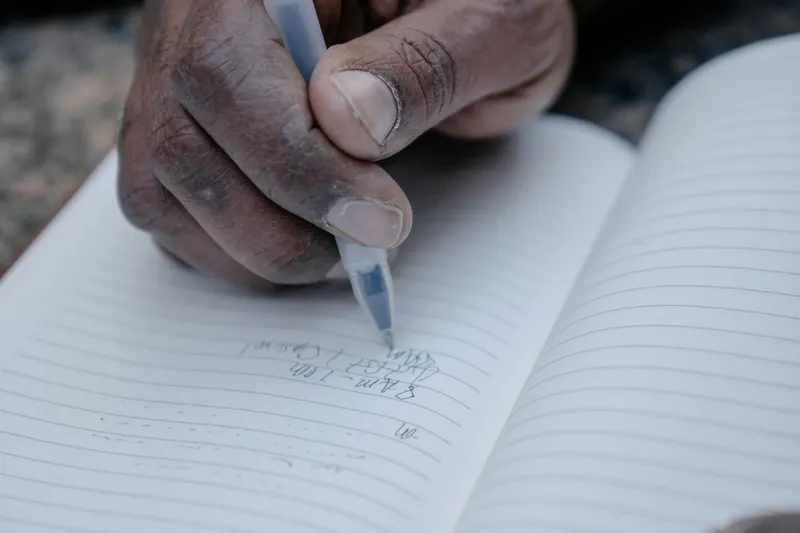
Write the speech you would give at your own retirement
Keep the idea in your list, then add your own steps, notes, and updates as it takes shape.
Choose a listener and a truth
Imagine a room, but decide who is in it before writing. Is this a speech to colleagues, friends, family or a mixed group? The answer changes what stories belong. A work audience may need context for a project, while family may remember the person who waited in the car or helped you move. This exercise is not a prediction that you will retire on a certain date; it is a way to hear what you would want remembered.
Write one sentence that could hold the speech together. ‘I learned that good work is made with other people’ is more specific than ‘I had a wonderful career.’ Toastmasters International advises speech writers to identify a purpose and a core message, then keep details that support it. Use that as a drafting tool, not a formula for every voice.
Gather scenes instead of listing titles
Make a page of small moments before composing paragraphs. Note the first time someone trusted you with a difficult task, a mistake that changed your approach, a colleague who taught you a shortcut, a day you stayed late for the wrong reason, or a routine you quietly loved. A job title tells listeners where you sat; a scene lets them understand what mattered there.
For each story, ask whose contribution is missing. Retirement speeches can accidentally turn team work into a solo achievement or treat family support as invisible background. Name others only in ways they would be comfortable hearing in public. If a story includes a client, patient, student or confidential work, remove details that could identify them or choose another example.
Build a short arc
Arrange the speech in three movements: what you thought work would be, what experience complicated or changed, and what you hope to carry forward. The middle can include a turn rather than a grand triumph. Maybe your idea of expertise changed after a junior colleague corrected you; maybe the best project was not the most prestigious one. A modest shift is often easier to believe than a perfect career arc.
A retirement speech does not need to settle every question. You may still wonder whether you spent too much time at work or whether a risk was worth taking. State the uncertainty without using the audience as an emotional jury. You are writing a voice for reflection, not asking listeners to validate your choices.
Protect the boundary between public and private
Decide what you would leave out if this were delivered aloud. A speech can mention a hard year without disclosing another person’s diagnosis, a private disagreement or an employer’s confidential information. Replace names and identifying details while drafting, then review whether even the anonymized story belongs in a public room. A private exercise can hold details that a public speech should not.
Write a version for the audience you imagined, then label any lines that belong only in a journal. That distinction helps the exercise stay honest without treating disclosure as proof of courage.
Read it as speech, then keep the useful line
Use a beginning that gives listeners a reason to pay attention, two or three scenes that support your message, and an ending that returns to the opening image or offers a simple wish. Keep one sentence you want remembered. Read the draft aloud; if you run out of breath, lose your place or hear a phrase you would never say, edit it. Ask one trusted reader what they think the central message is.
You do not have to deliver the speech. Save it with a date and underline the line that surprised you. Start with one memory you would tell a new colleague about the person you hope to be at work.
Sources and further reading
- How to Write and Deliver a Speech (That People Will Actually Want to Listen to)
Toastmasters International · Supports using a defined purpose, one core message, a beginning-middle-end outline, audience-aware editing and reading aloud; not evidence about retirement outcomes.