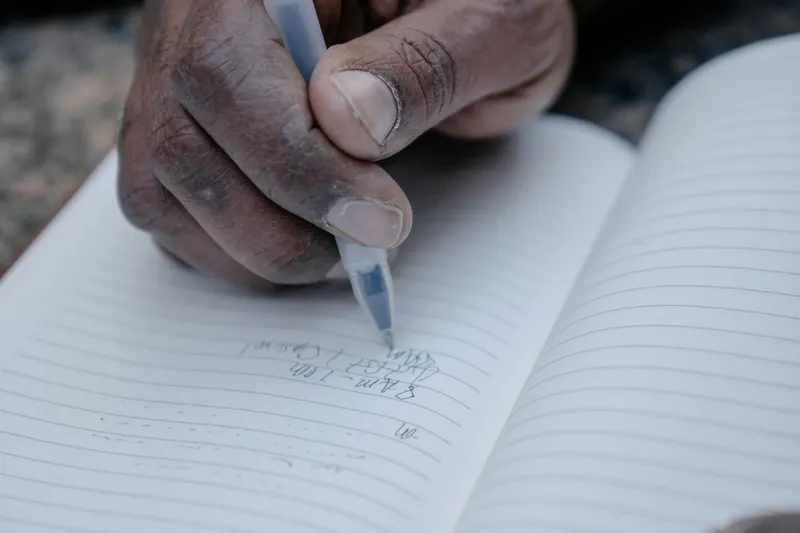
Write your ethical will: values, lessons, what you want passed down
Keep the idea in your list, then add your own steps, notes, and updates as it takes shape.
Set the document’s boundary first
An ethical will is a personal statement about values, lessons, memories, hopes, or ways of living that you want to pass along. In this guide, it means a reflective piece of writing, not a document that transfers money or property. A legal will has a different function and can require prescribed execution formalities. The American Bar Association notes that U.S. will requirements and related estate rules can differ by state, and that errors in execution can create problems. If you want to make or change a legal document, consult a qualified estate-planning professional in the relevant jurisdiction; do not treat this essay as legal advice.
Write a clear note at the top of your working draft: ‘This is a personal reflection, not a legal instrument.’ That simple boundary makes it less likely that a reader will confuse the piece with an estate plan. You can keep the draft private, share it with someone now, or decide on distribution later. Those are separate decisions; this exercise is about what you want to say.
Choose one value and find its story
Begin with one value that matters to you—patience, fairness, curiosity, hospitality, courage, or something less expected. Avoid starting with a list of abstract virtues. Instead, recall one event that taught you what the value costs or asks of a person. Perhaps you apologized when it was embarrassing, made a meal for a neighbor, changed your mind after new evidence, or chose steady work over public recognition. The story gives the value a shape that a reader can understand.
Write the scene with specific details: where you were, who else was involved, what you wanted at the time, what choice you made, and what you learned later. Keep the lesson proportionate. A single experience does not prove a universal rule. You can write, ‘This is what I learned then,’ rather than ‘Everyone should always do this.’ Honest limits make the page more human and less like a lecture.
Draft in small, distinct pieces
A useful first draft can contain three short sections: a story, the lesson you took from it, and what you hope another person might do with that lesson. For example, describe a mistake, name what you changed afterward, then offer the reader permission to learn differently. Add another section for a person or community you are grateful to, or for a question you still carry. You do not need to settle every belief before you begin.
If you are writing for family, choose examples they can place in time and context. Explain who is in the story and what matters about the setting. If the memory involves another person’s private information, remove identifying details or ask permission before sharing it. A values letter should not become an accidental disclosure of someone else’s confidence. You can keep separate private notes for material you do not want to pass along.
Revise for generosity and clarity
Read the draft aloud and look for places where an instruction sounds stricter than the story supports. Replace a command with an invitation where that fits: ‘You might find it useful to…’ is different from ‘You must…’. Be specific about uncertainty and change. You may have held one belief for years and revised it after a relationship, loss, or new information. Those turns can be more instructive than pretending your values never conflict.
Ask a trusted reader to identify the part that felt most like you and the part that was hard to follow. You do not have to take every edit. Keep the final piece in your voice, and write a date on it so the reader can see when it was made. If you revisit it later, add a dated note instead of silently rewriting history.
Keep the legal and sharing decisions separate
A personal ethical will cannot replace a properly executed legal will, health-care directive, financial power of attorney, or other document required in your jurisdiction. The American Bar Association’s consumer guide is U.S.-oriented and expressly describes formal signing requirements that can vary; rules elsewhere differ. If you need legal planning, use a local legal professional or official legal-aid resource. Keep the reflective piece separate from those documents so that its purpose remains clear.
For now, choose one person or future reader you have in mind and write one true story that explains a value. You can decide later whether to share it, revise it, or keep it private. The concrete next step is a dated first page with one scene, one lesson, and no attempt to make it stand in for legal paperwork.
Sources and further reading
- Introduction to Wills
American Bar Association, Real Property, Trust and Estate Law Section · Supports the distinction between a property-disposition will and personal reflection, and notes that execution formalities and estate rules vary across U.S. states; the article is U.S.-oriented, not individualized legal advice.